Before You Go: Essential Preparation
Whether you're heading to Craggaunowen or Lough Gur, a bit of planning makes all the difference. We've walked these sites countless times, and there's definitely a right way to approach them. The sites are accessible year-round, but conditions change dramatically between seasons — what works in July won't work in January.
What to Bring
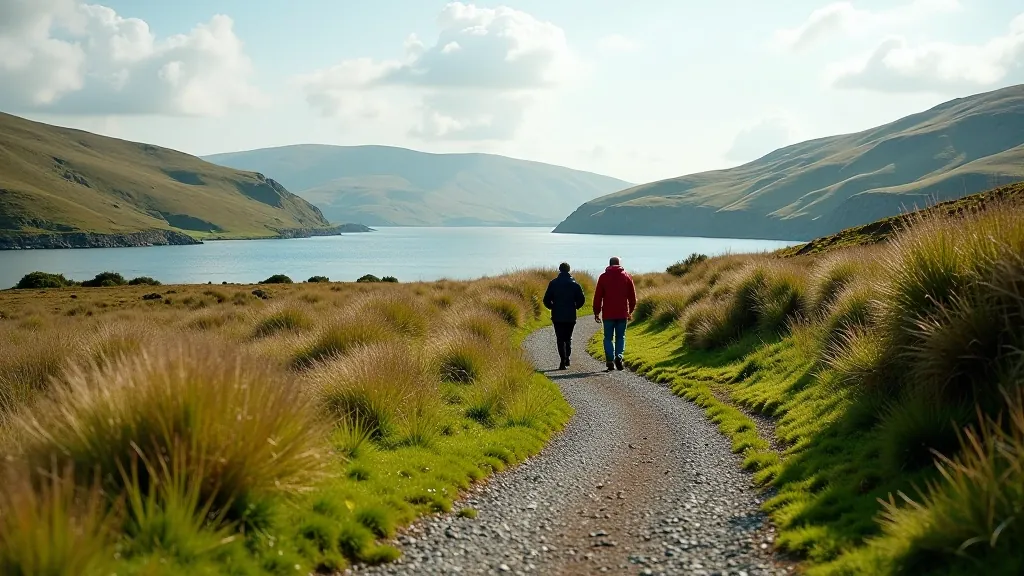
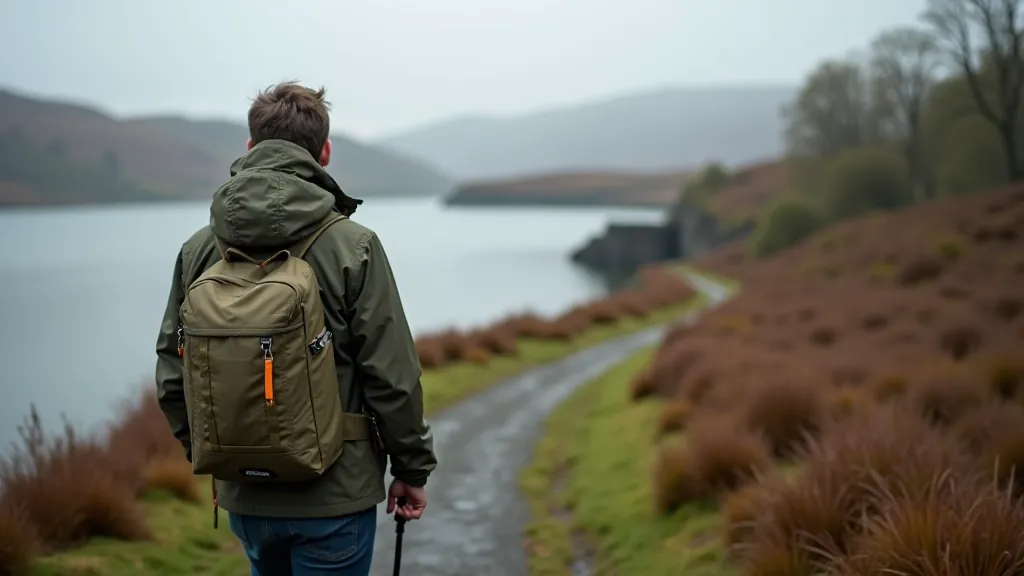
Comfortable walking shoes are non-negotiable. We're not talking about gym trainers — you need something with actual grip because the ground around these sites can get muddy and uneven. Waterproof jackets are essential, even if the forecast looks clear. Irish weather changes in minutes.
- Waterproof jacket and trousers
- Sturdy walking boots (waterproof preferred)
- Layers — fleece or wool, not cotton
- Sun protection (hat and cream for summer)
- Insect repellent (especially summer evenings)
- Water bottle (refill at visitor centers)
- Snacks — energy bars work better than heavy lunches
- Phone fully charged for photos and emergencies
Getting There and Parking
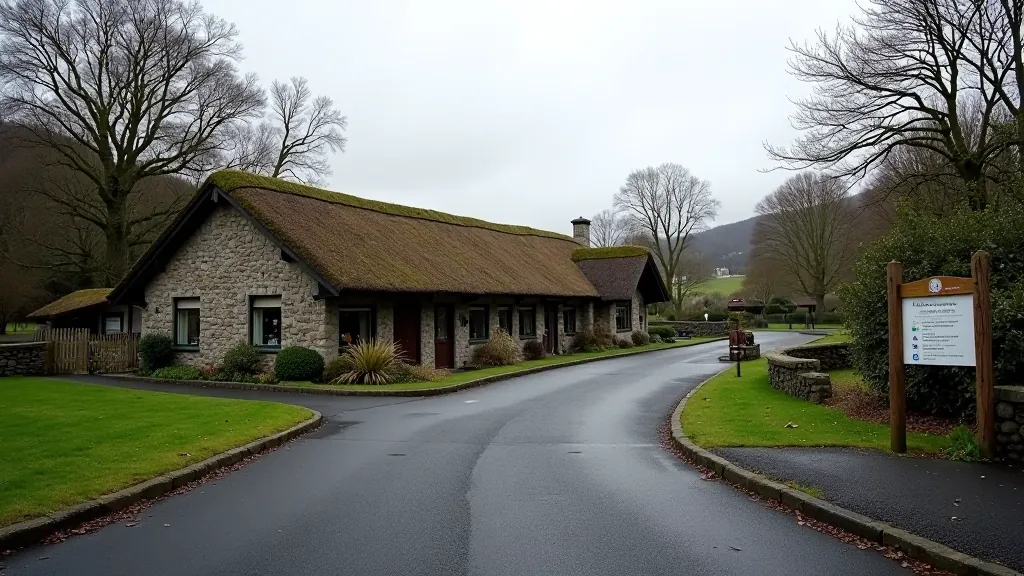
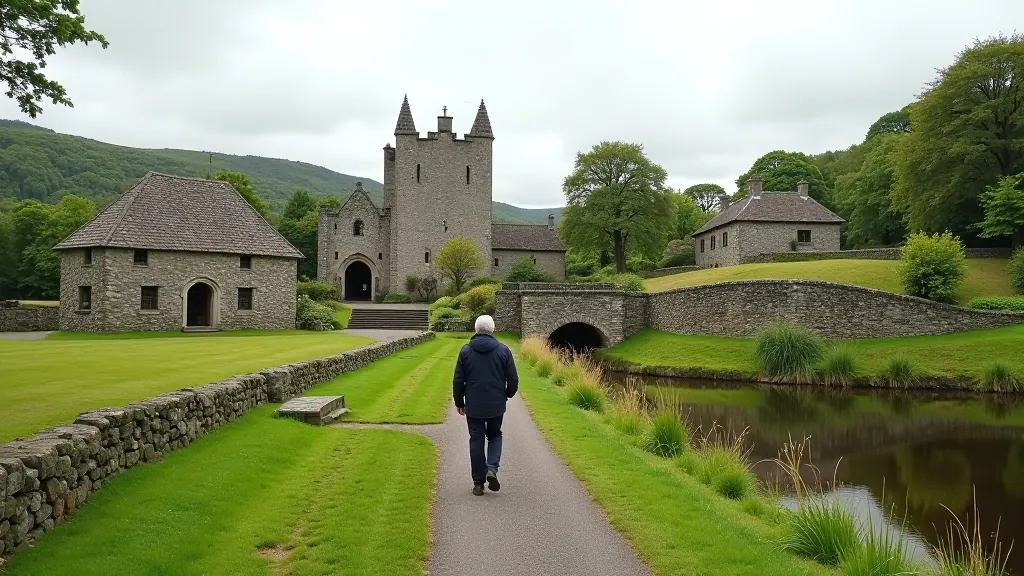
Both sites are in County Limerick, about 30 minutes apart. If you're coming from Limerick city, allow 45 minutes to Craggaunowen and 30 minutes to Lough Gur. The roads are well-signposted, though the final approach can be narrow.
Parking at Craggaunowen: Free car park holds about 80 vehicles. It fills up on summer weekends between 11am and 2pm. Get there early or visit in the late afternoon.
Parking at Lough Gur: Multiple free car parks around the lake. The main one near the visitor center rarely fills completely. There's also overflow parking at the heritage center.
Both sites have proper facilities including toilets, information boards, and seasonal refreshment options. You're not roughing it out here — there's proper infrastructure.
Accessibility and Facilities
Mobility Access
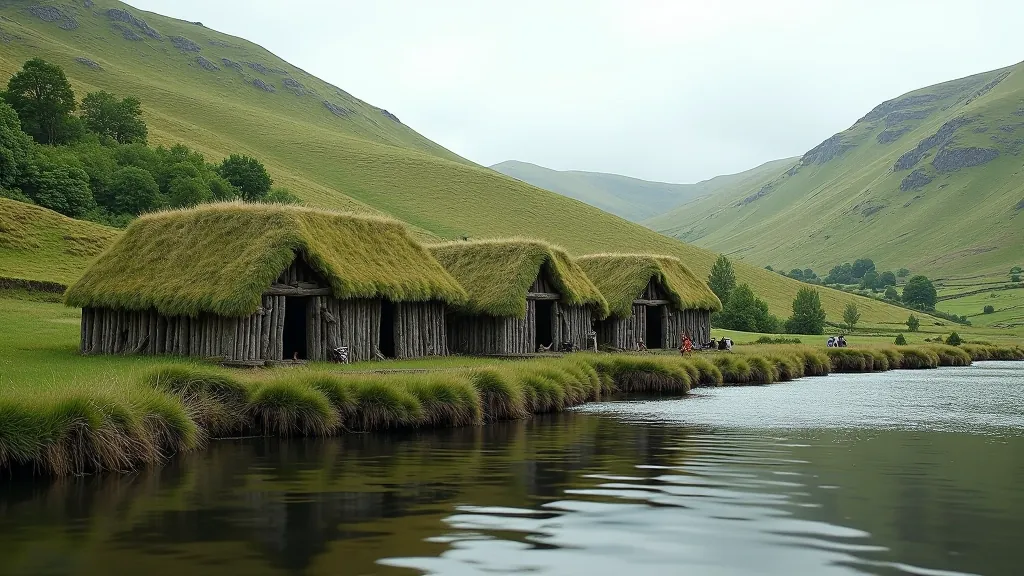
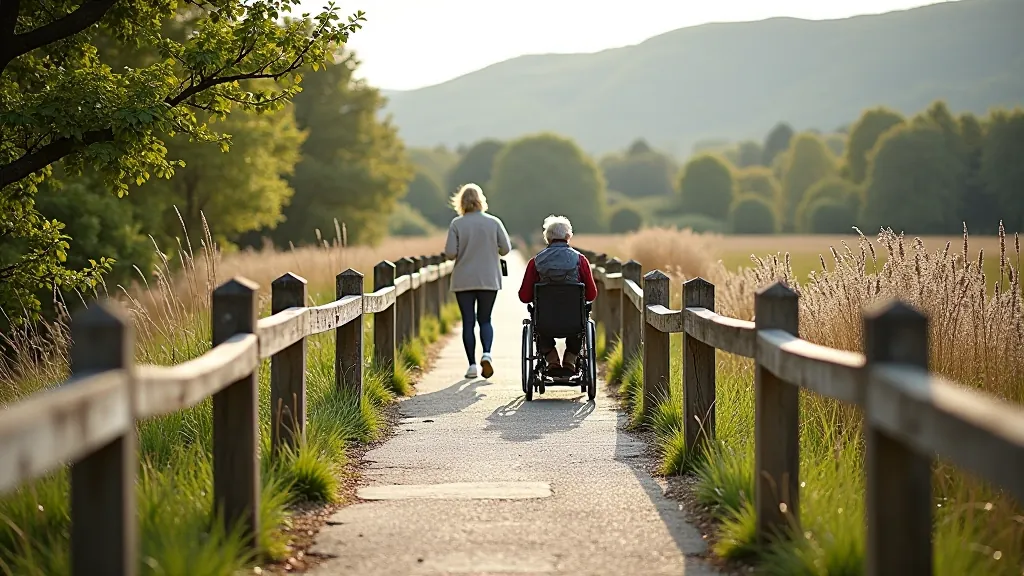
Craggaunowen has developed accessible pathways to the main reconstructed crannog village. The path is gravel and mostly flat, though some sections have a gentle slope. Wheelchairs can navigate most of the central area, though the crannog buildings themselves have narrow doorways.
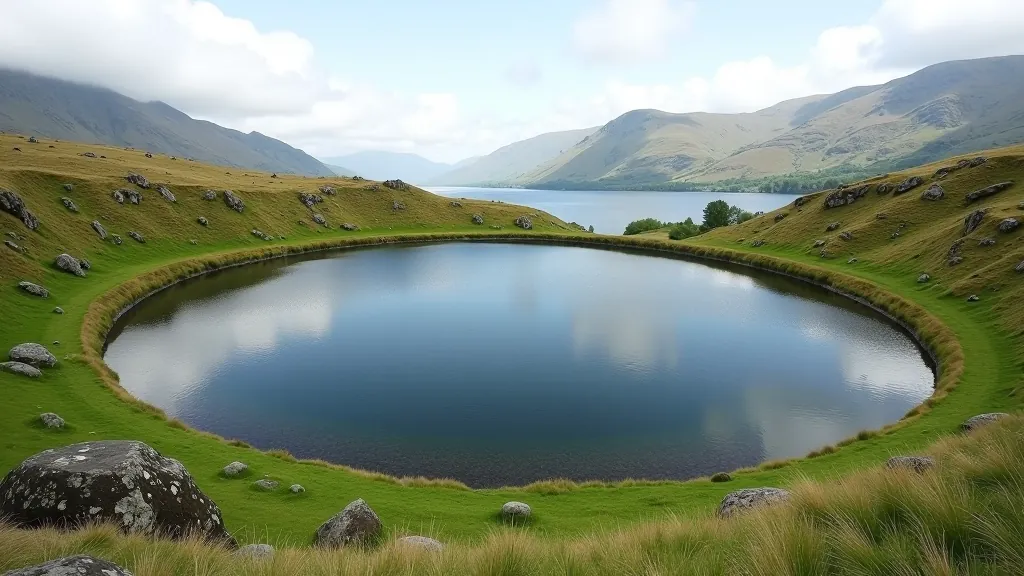
Lough Gur's circular path varies. The southern section near the visitor center is mostly accessible with firm surfaces. The northern and eastern sections get progressively rougher — the ground is uneven and can be boggy after rain. It's doable for most fitness levels, but mobility issues might make it challenging.
Contact the visitor centers in advance if you've got specific mobility needs. They can advise on current ground conditions and suggest alternative routes or viewing points.
Important Information
This guide provides educational information about visiting heritage sites in Limerick. Conditions, opening hours, and facilities change seasonally and can vary without notice. Always check directly with the visitor centers before your visit for current information about accessibility, parking, and any temporary closures. Weather conditions can make paths slippery and difficult — assess your fitness and experience level honestly before attempting walks, especially around Lough Gur. If you have specific accessibility requirements, contact the sites directly to discuss your needs and available options.
Timing Your Visit
Timing matters more than most people realize. Summer brings more visitors and better weather, but you'll share the experience with crowds. Early morning — before 10am — genuinely changes the atmosphere. You get the sites largely to yourself, light's better for photos, and you're done before the midday rush.
Winter's tougher. Days are short (sunset around 4pm from November through January), paths get wet and slippery, and it's cold. But it's also quieter and somehow more atmospheric. If you're coming in winter, plan for a 2-hour visit maximum so you're done before darkness.
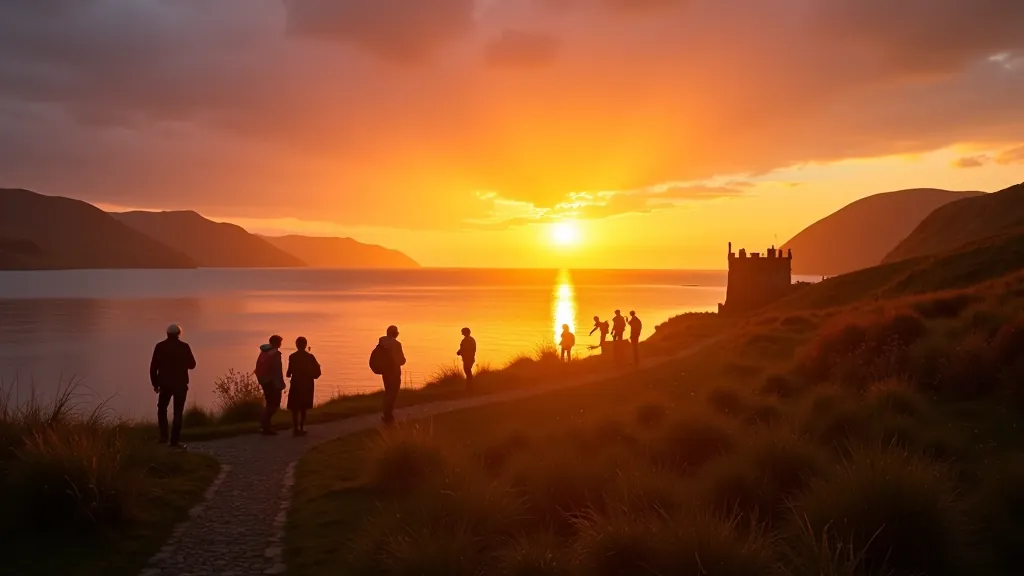
Spring and autumn? Perfect. The weather's reasonable, there aren't massive crowds, and the light's genuinely beautiful. Aim for late afternoon in these seasons — the sun gets lower and warmer, making everything look better.
Budget Your Time
Craggaunowen takes 2-3 hours if you're properly exploring. Lough Gur's full circuit takes 3-4 hours depending on pace and how much you stop. Don't rush it. Heritage sites aren't about ticking boxes — they're about understanding landscape and history.
Bring a Guidebook
The visitor centers sell decent guides. They're worth it. You'll understand way more about what you're seeing — the difference between a random stone circle and actually knowing it dates to 3000 BC and what people were using it for. Changes the whole experience.
Check Weather Forecasts
Not just the basic forecast — check actual rainfall predictions. Ground conditions around Lough Gur especially are dramatically different when it's been raining versus a dry spell. Sometimes it's genuinely not walkable after heavy rain.
Making the Most of Your Day
These sites aren't difficult to visit — they're genuinely accessible and well-maintained. The trick is just going in prepared. Bring proper gear, give yourself enough time, and don't overthink it. Thousands of people visit every year and have brilliant experiences. You'll be one of them.
One last thing: put your phone on airplane mode during the walk itself. Yes, you want photos. But you'll actually see and understand more if you're not constantly checking things. Walk for an hour, then take your photos. You'll remember the experience way better that way.
Ready to explore? Start with our guides to specific sites and walks.
Explore Heritage Walks