Understanding Crannogs: Ancient Lake Dwellings
What crannogs were, why people built them on water, and what archaeologists have learned from the remains at Lough Gur.
Why Water Dwellings?
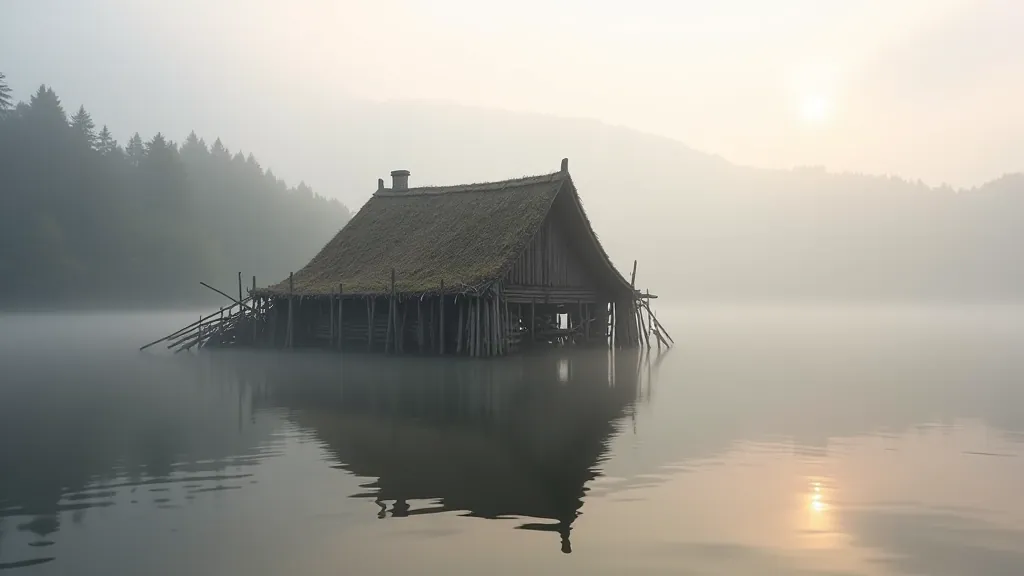
Crannogs weren't built by accident. Iron Age and Bronze Age communities chose lakes and wetlands deliberately, constructing artificial islands that offered protection, resources, and strategic advantages. They're one of Ireland's most fascinating archaeological puzzles — and when you understand why people built them, the entire landscape tells a different story.
The term "crannog" comes from the Irish word "crannóg," meaning a wooden structure built on water. These weren't just simple rafts or floating platforms. They were engineered dwellings with layers of timber, stone, and organic materials that archaeologists are still uncovering today.
Constructed on Water
Built deliberately in lakes and wetlands using timber frames and stone foundations.
Natural Defense
Water provided protection from raiders and wild animals while maintaining access to fish and water sources.
Preserved Evidence
Waterlogged conditions preserved wood, bone, and artifacts for thousands of years — a gift to archaeologists.
How Crannogs Were Built
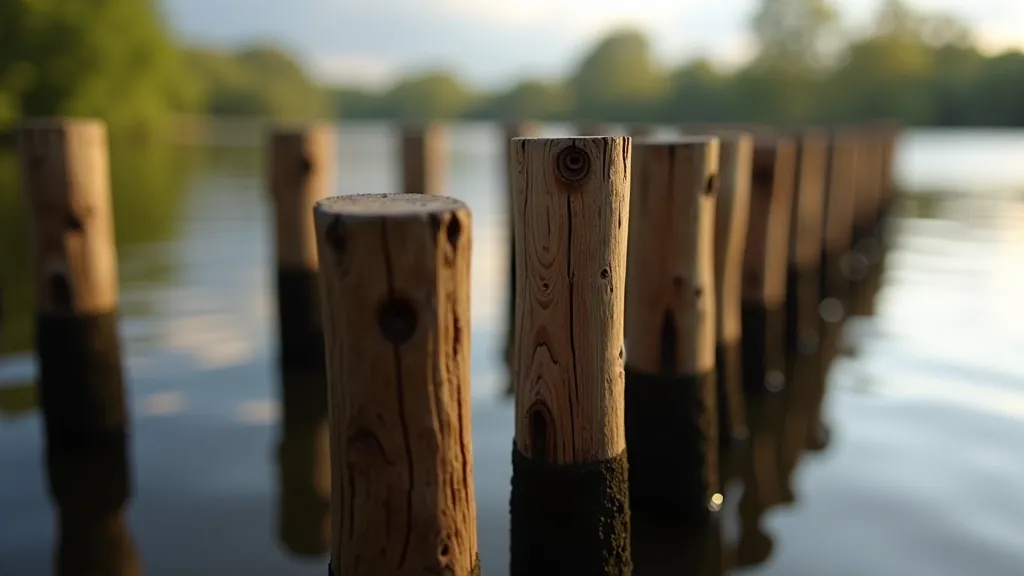
The construction process was methodical and required serious skill. First, builders identified a suitable shallow lake or wetland location. They'd drive wooden posts into the lake bed — sometimes 15 to 30 posts depending on the size they wanted. These weren't random; the spacing was deliberate, creating a framework strong enough to support buildings and daily life.
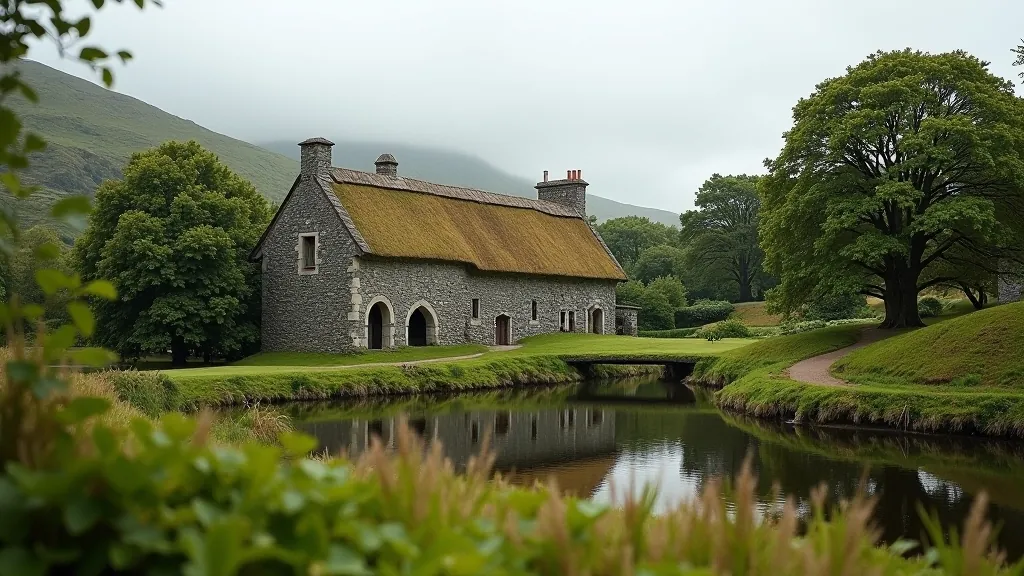
On top of this post foundation, they'd layer brushwood, stones, and organic material to create a stable platform. The actual dwelling — usually circular or oval — would then be built on this prepared base. Stone walls, timber frames, and thatched roofs protected residents from the elements. It's a remarkable feat of engineering without modern tools. You're looking at people who understood load distribution, water resistance, and structural integrity through experience and observation.
What's really interesting is that we've found evidence of repairs and rebuilding. Some crannogs were inhabited for centuries, meaning people maintained them, reinforced them, and adapted them as needs changed. They weren't temporary shelters — they were homes.

What Archaeologists Have Found
The magic of crannogs lies in what they preserve. Because they're underwater or in waterlogged soil, organic materials that usually decompose survive for millennia. At Lough Gur and other Irish lakes, archaeologists have recovered pottery, tools, jewelry, food remains, and even wooden household items that reveal astonishing detail about daily life 3,000 years ago.
We've found evidence of grain storage, suggesting people farmed nearby. We've discovered gaming pieces, indicating leisure time and entertainment. Bronze tools, ornaments, and weapons tell us about trade and social status. Every artifact is a conversation piece — it's telling us who lived here, what they valued, what they ate, and how they spent their time.
Radiocarbon dating has helped us establish timelines. Many crannogs were inhabited between 1200 and 500 BCE, though some evidence suggests habitation continued into medieval times. At Lough Gur specifically, we've documented over 20 crannogs, making it one of Europe's most significant crannog archaeological landscapes.
Lough Gur: Ireland's Crannog Hotspot
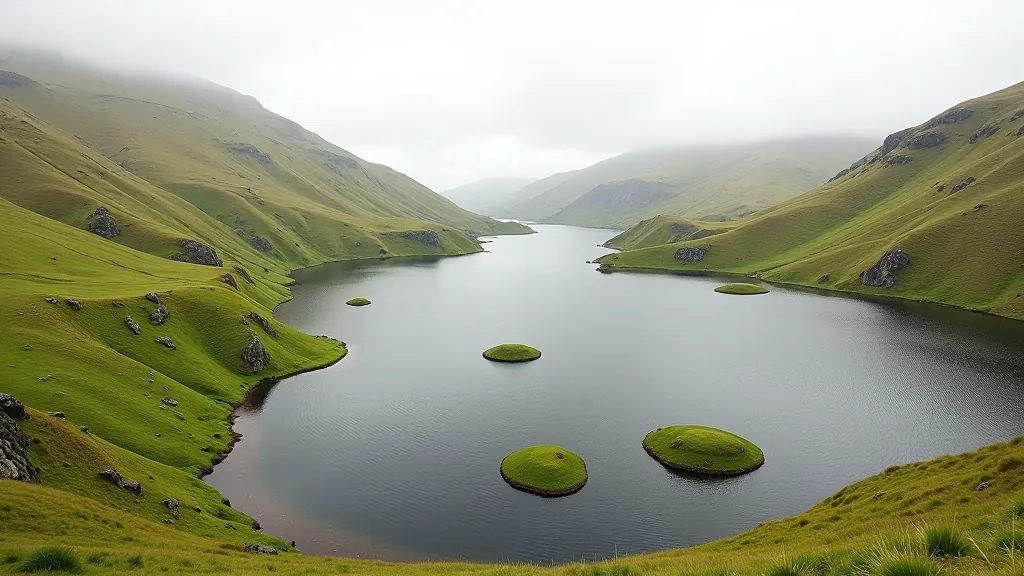
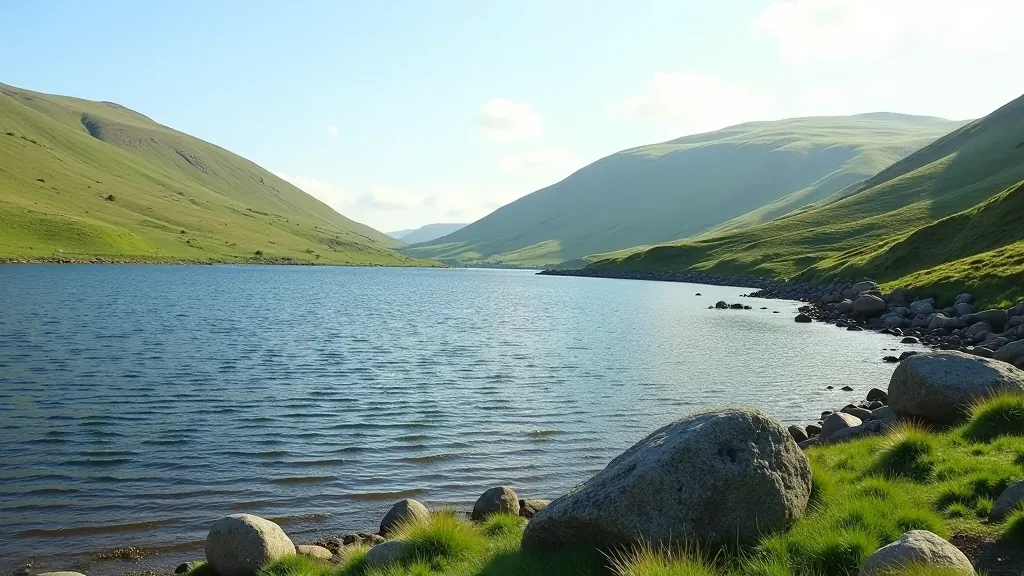
If you want to understand crannogs, Lough Gur is the place to start. This lake in County Limerick is surrounded by Bronze Age and Iron Age archaeological sites. The water level has changed over millennia, which means some crannogs that were once island homes are now visible as raised areas or submerged features on the lake bed.
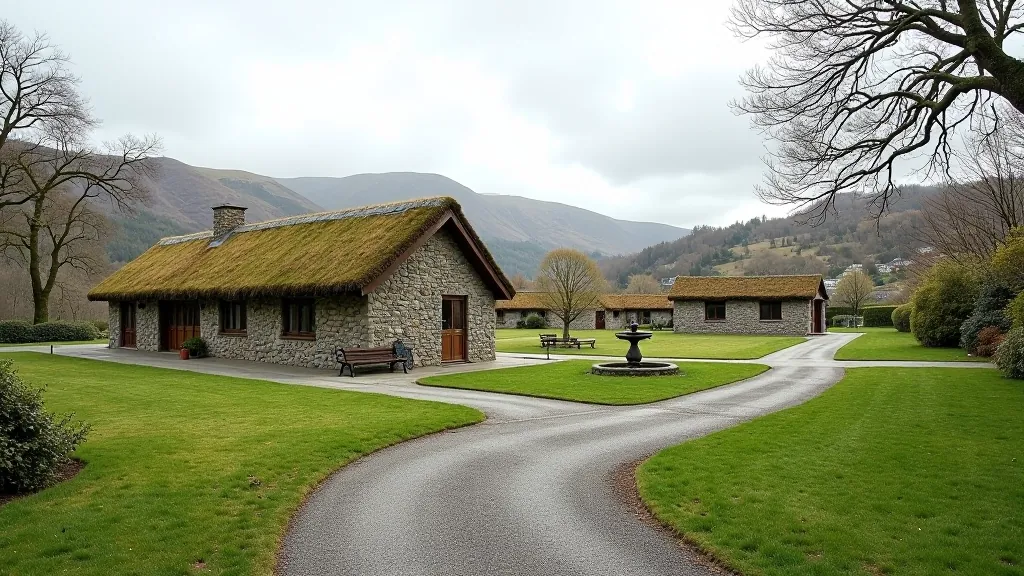
The Lough Gur Visitor Centre helps bring this history to life. You'll see artifacts, reconstructions, and interpretations that show what daily life actually looked like. Walking around the lake's circular path, you're literally stepping through layers of Irish prehistory. Stone circles stand on the shoreline. Bronze Age burial sites dot the landscape. And beneath the water, crannogs remain, silent witnesses to thousands of years of human settlement.
What makes Lough Gur special is the density and diversity of sites. You're not just looking at crannogs — you're seeing the complete picture of how ancient communities organized themselves across a landscape. The crannogs were part of a larger settlement pattern, linked to farming communities, ritual sites, and trade networks.
Why Crannogs Matter Today
1
Understanding Ancient Life
Crannogs show us how people adapted to their environment, made strategic decisions, and built sophisticated structures without industrial tools. They're testament to human ingenuity.
2
Environmental History
The preserved materials at crannogs tell us about past climates, vegetation, and land use. They're like time capsules for environmental scientists studying how landscapes have changed.
3
Cultural Identity
Crannogs are uniquely Irish. They connect modern Ireland to its Bronze and Iron Age heritage, helping us understand our ancestors and our place in European prehistory.
4
Tourism and Learning
Sites like Lough Gur and Craggaunowen attract visitors from around the world. They're places where people can step back in time and engage directly with heritage.
Standing on the Edge of History
When you stand at the edge of Lough Gur looking out at the water, it's easy to imagine the crannogs that once dotted the surface. Smoke rising from cooking fires. Families living their lives on artificial islands they'd engineered with precision and care. Children playing while adults worked, traded, and prepared for the seasons ahead.
Crannogs aren't just archaeological curiosities — they're evidence of human capability, resilience, and creativity. They show us that people living thousands of years ago weren't primitive. They were problem-solvers who understood their world, adapted to challenges, and built lasting structures. The fact that we can still see and study these sites today is remarkable. It's a conversation across millennia, connecting us directly to our past.
If you're interested in Irish prehistory, water-based archaeology, or simply want to understand how people lived in ancient times, crannogs deserve your attention. Visit Lough Gur. Walk the circular path. Let the landscape speak to you. You're standing in one of Europe's richest archaeological zones — and the story it tells is extraordinary.
About This Guide
This article is intended as an educational overview of crannogs and their archaeological significance. While we've drawn on established archaeological research and historical documentation, archaeological understanding continues to evolve as new evidence emerges. For detailed technical information, specialized interpretations, or current excavation reports, we recommend consulting academic sources and visiting official heritage sites like the Lough Gur Visitor Centre and Craggaunowen Castle. Site access, opening hours, and visitor facilities may change — check ahead before planning your visit.