Understanding Crannogs: Ancient Lake Dwellings
What crannogs were, why people built them on water, and what archaeologists have learned...

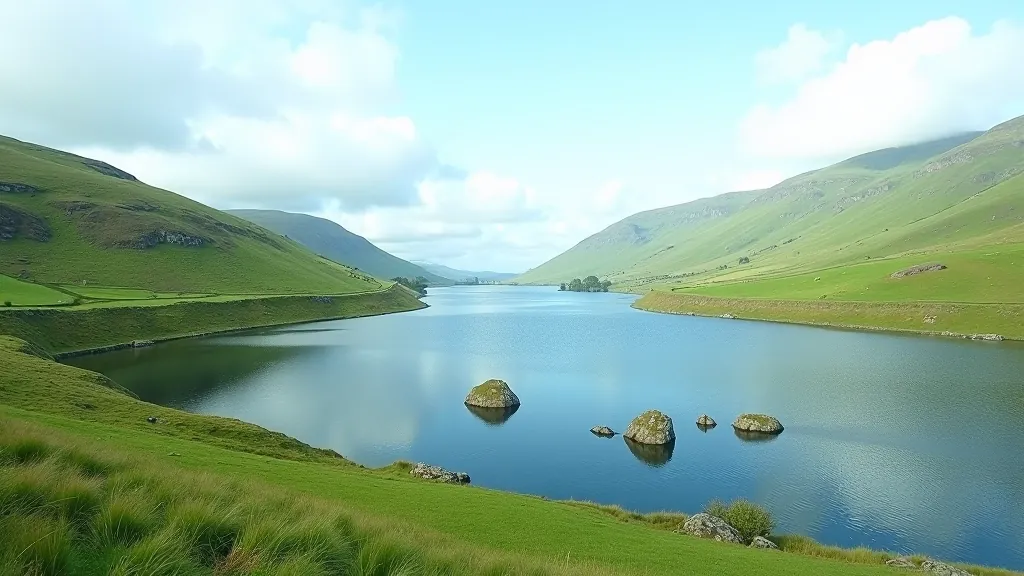
Lough Gur isn't just a lake—it's a time machine. Walking the circular path around this lake in County Limerick, you're literally stepping through 6,000 years of human history. Stone circles, burial mounds, standing stones, and the modern interpretive centre tell stories of people who lived here during the Bronze Age and long before. We'll walk you through what you'll actually see, the best time to visit, and why this place matters to understanding Ireland's prehistoric past.
The path around Lough Gur is about 1.3 kilometers—roughly 45 minutes if you're moving at a normal pace. That's if you don't stop constantly to take photos, which you will. The route is well-maintained and mostly flat, which makes it accessible for most fitness levels.
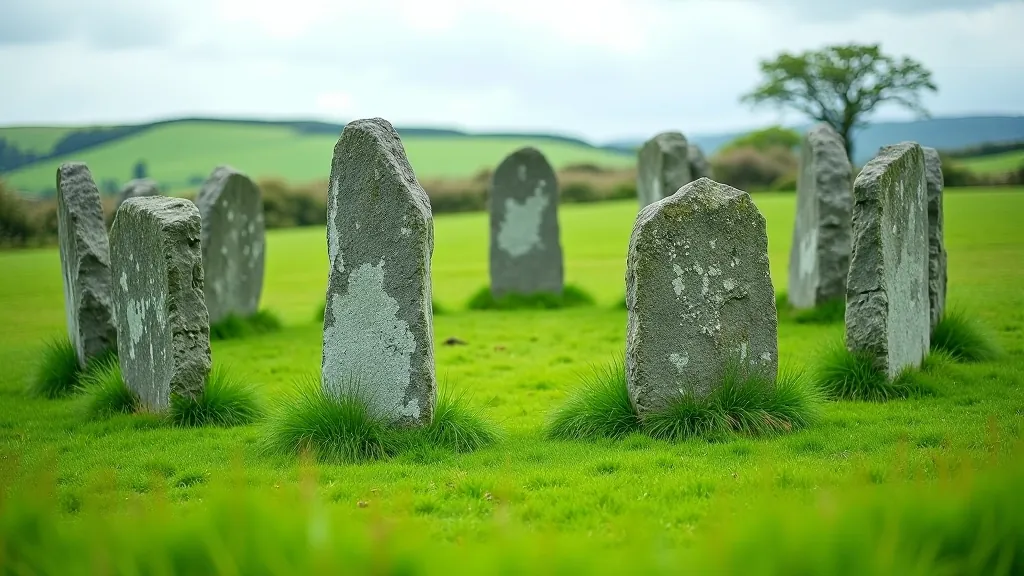
Here's the real deal though: you're not just walking around a pretty lake. You're walking past some of the most important Bronze Age sites in Ireland. The two stone circles—the Great Circle and the Small Circle—are the highlights. The Great Circle is genuinely impressive. It's about 46 meters across and has 113 standing stones, though not all are fully upright anymore. When you stand in the middle and look around, you get this sense of the scale of what people were capable of building 4,000 years ago.
Plus, there's the Grange Stone Circle nearby—if you take a short detour off the main path. It's one of Ireland's largest stone circles. Don't skip it if you can manage the extra 20 minutes.
You'll want to visit the Lough Gur Interpretive Centre before or after your walk. Seriously, don't skip this part. The centre is right there by the lakeshore and it gives you the actual context for what you're looking at out there on the path.
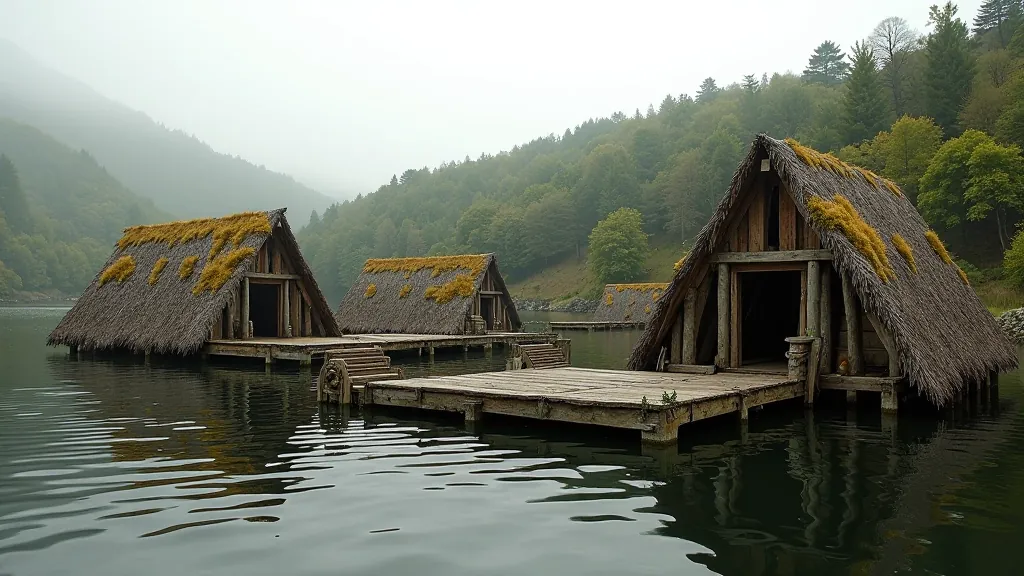
They've got exhibits on how people actually lived during the Bronze Age—tools, pottery, reconstructions of dwellings. There's a 15-minute film that's genuinely worth watching. It explains why people chose to build these monuments and what daily life looked like. You'll learn about the crannogs too—those artificial islands we talked about in our crannog article. They're part of the same story here at Lough Gur.
The centre staff are knowledgeable. If you have specific questions about what you've seen on the path, they can usually point you in the right direction. It transforms the walk from "look at old rocks" into "understand how these people organized their society and what their world looked like."
Best time: Late spring through early autumn (May to September). The path is drier, the weather's more predictable, and the interpretive centre is fully staffed.
Lough Gur is in County Limerick in the southeast, so the weather's pretty typical for that region. Spring is lovely—the wildflowers are out and everything's green. Summer gets busier, obviously, especially weekends. But even in peak summer, it doesn't feel crowded like some heritage sites do.
Early morning visits are genuinely better. You'll get softer light for photos, fewer people, and you'll have time to really spend time at each stone circle without feeling rushed. We'd suggest arriving around 8 or 9 AM if you can.
Lough Gur is about 20 kilometers south of Limerick city. You'll need a car to get there unless you're already in the area. There's a decent car park right by the interpretive centre—parking's free, which is a bonus.
What to bring: proper walking shoes (the path can be muddy after rain), water, and a light jacket even in summer. The lakeside gets windy. If you're interested in archaeology, bring a notebook—there are information boards at key points but they don't tell the full story. Your own research or a good guidebook adds real value.
The interpretive centre has a small café if you want tea or a snack afterward. There aren't many other facilities immediately nearby, so plan accordingly. The nearest town is Bruff, about 10 minutes away, if you need more substantial services.
Important note: This article is educational and informational in nature. The historical information and archaeological details provided are based on current research and interpretations. Archaeological understanding evolves as new evidence emerges. For the most current information about visiting Lough Gur, including opening hours, admission details, and any access restrictions, we recommend contacting the Lough Gur Interpretive Centre directly or checking their official website. Site conditions can change seasonally, so it's always wise to check local conditions before planning your visit.
Walking around Lough Gur isn't just a nice countryside stroll. You're engaging directly with Ireland's Bronze Age past. These stone circles weren't built for show—they had real purpose, whether ceremonial, social, or practical. Standing inside the Great Circle, you're experiencing something that people experienced 4,000 years ago. That's the power of archaeological sites like this one. They connect you across millennia.
If you're interested in crannogs and lake archaeology, Lough Gur completes the picture. You see the monuments above ground and understand the context of how people lived around water. It's a solid half-day or full-day visit depending on your pace and interests. And it's genuinely one of Ireland's underrated heritage sites.