Understanding Crannogs: Ancient Lake Dwellings
What crannogs were, why people built them on water, and what archaeologists have discovered about these mysterious settlements.
Walk through living history at Craggaunowen Castle, where reconstructed crannogs sit beside medieval fortifications. This guide covers the full walking route, what you'll encounter along the way, and the stories behind each stop.
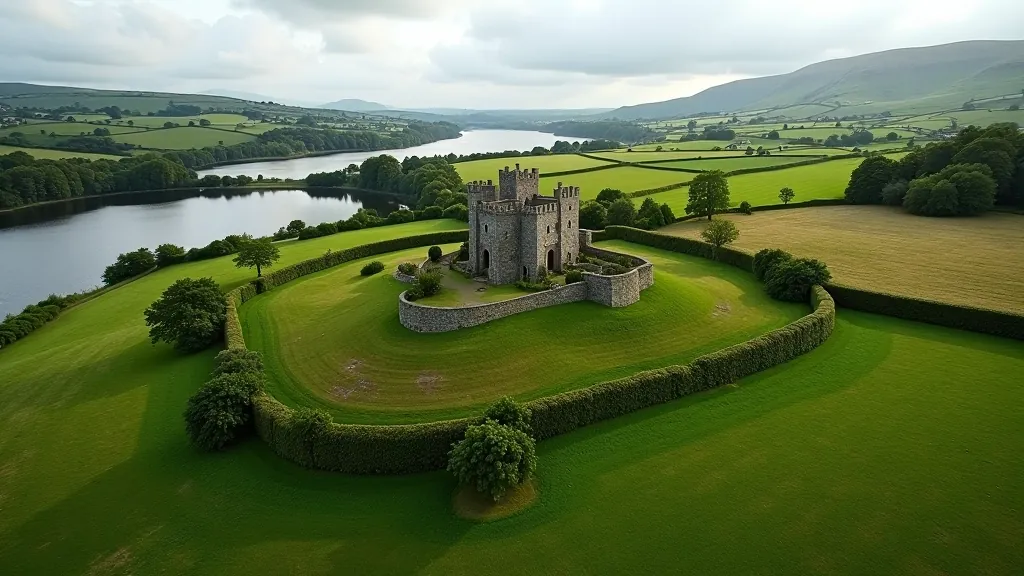
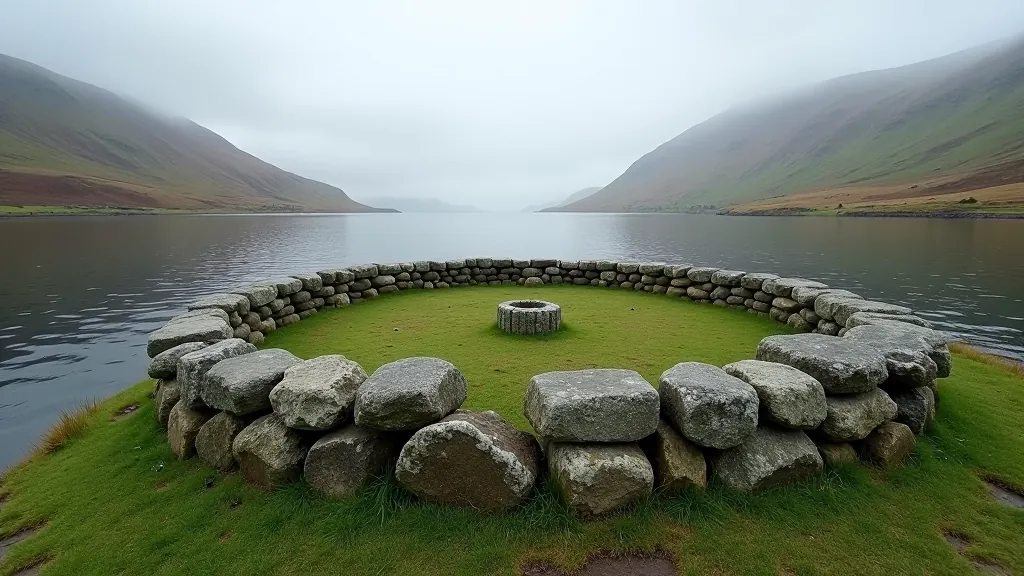
Craggaunowen isn't just another castle. It's a window into two different Irish worlds — medieval warfare and ancient lakeside living. The estate combines a 15th-century tower house with meticulously reconstructed crannogs, those mysterious wooden dwellings that people built on water for thousands of years.
Walking the grounds here, you're literally stepping between centuries. You'll see how a crannog family might've lived around 500 BCE, then climb into a real castle from the 1400s. Most visitors spend 2-3 hours on the full route, though you can do a shorter version in 45 minutes if you're pressed for time.
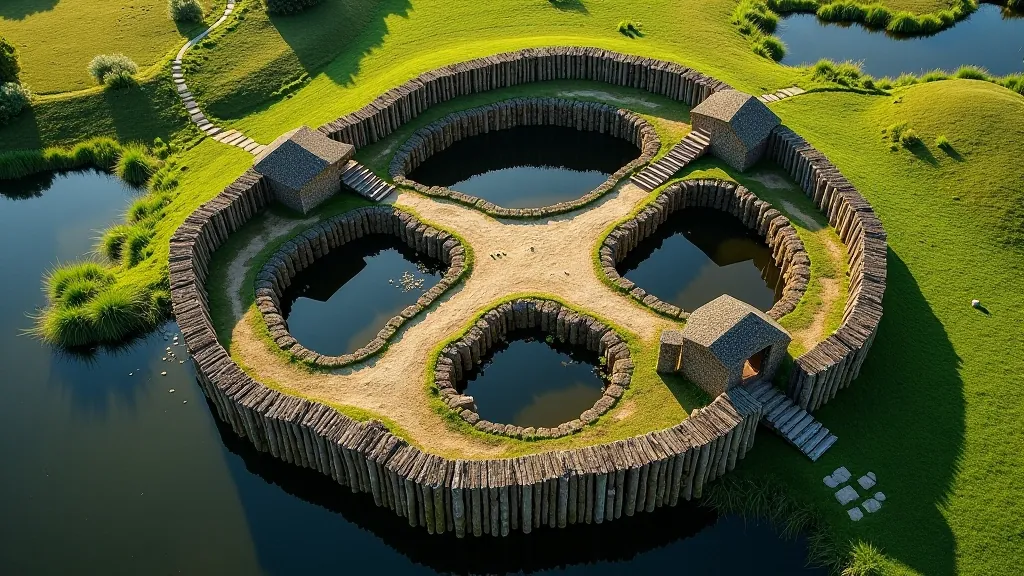
Your walk typically starts at the visitor center, but the real experience begins when you step into the reconstructed crannog village. You're looking at three different crannog designs, each built using techniques archaeologists pieced together from excavation evidence and historical sources.
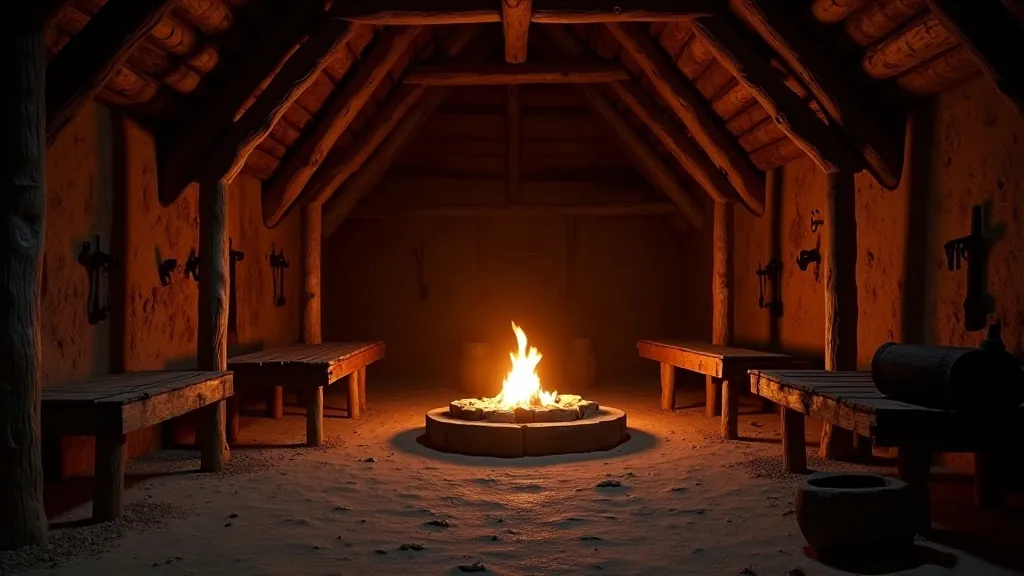
The largest one — a dwelling crannog — is what you'd enter first. It's built on a small island in a man-made pond, accessed by a narrow wooden bridge that feels genuinely precarious underfoot. Inside, you'll see how people actually lived: a central hearth for cooking and warmth, sleeping platforms around the edges, and tools hung on the walls. It's cramped, smoky, and nothing like modern living, but it's also remarkably clever.
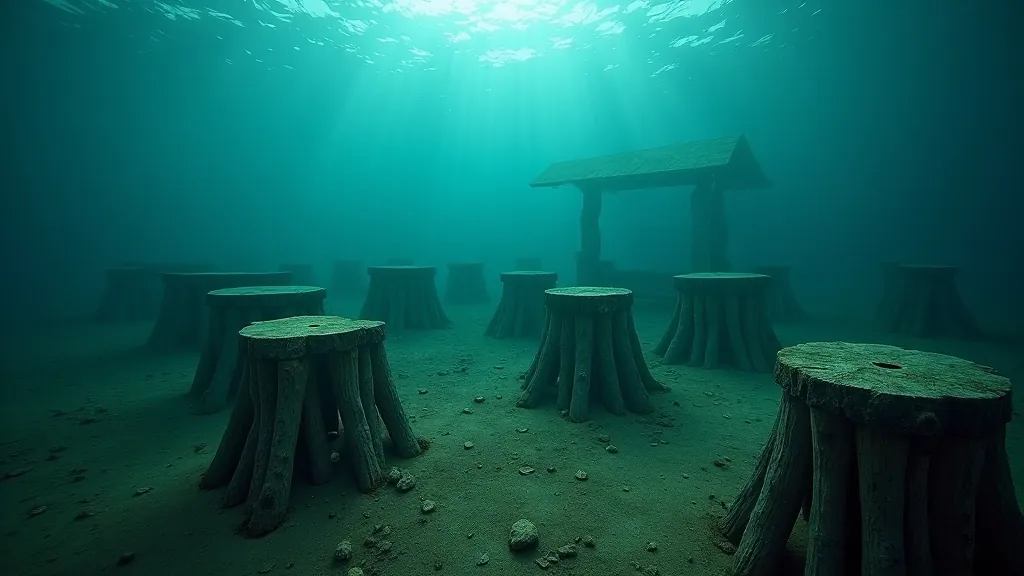
Walking around the exterior, you'll notice the wooden palisade fence. That wasn't just for decoration — crannogs were defensible. Enemies coming by water faced a fortified position. Cattle raiders couldn't easily swim out to steal livestock. It's ancient security thinking, and it worked well enough that people built crannogs for over 1,500 years.
This guide is based on archaeological research and visitor information current as of June 2026. Site conditions, opening hours, and facilities may change seasonally. Always check the official Craggaunowen website before planning your visit. Weather conditions can affect walking safety — appropriate footwear is essential, especially after rain.
From the crannog village, you'll follow a marked path uphill toward Craggaunowen Castle itself. The walk takes about 15 minutes depending on pace. As you climb, you're literally leaving ancient Ireland behind and entering the medieval period — a jump of roughly 2,000 years in a few hundred meters.
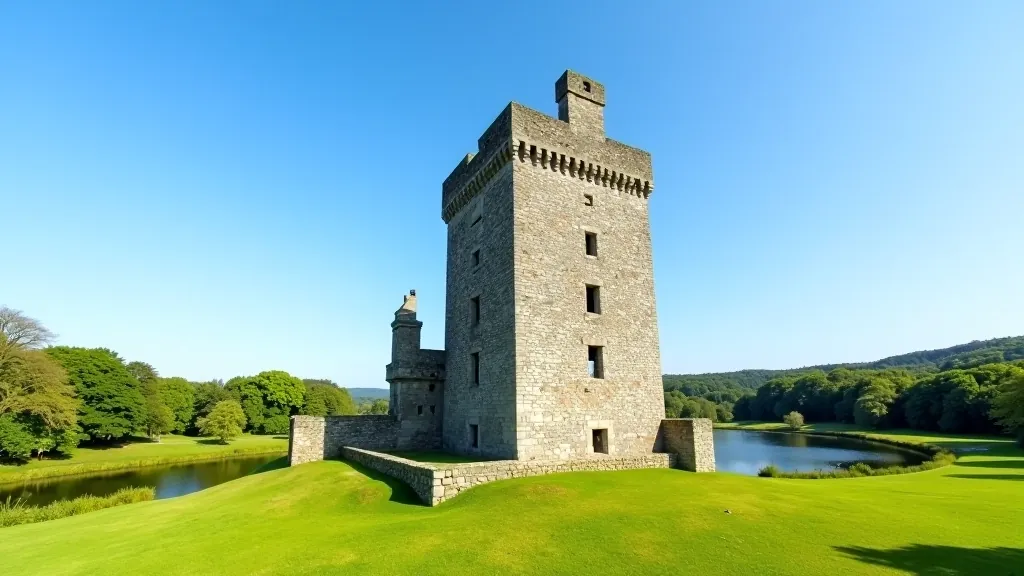
The castle you're climbing toward is a tower house, a specific Irish defensive design from the 1400s. It's not a sprawling fortress like you'd see in England — it's compact, vertical, and designed to be defended by a small garrison. The tower was built by the MacNamara family, who were significant landowners in County Clare. It's five stories tall, which doesn't sound impressive until you're standing inside looking up through the narrow windows.
You can climb to the top if you're comfortable with steep spiral stairs in dim light. The views across the Limerick countryside are genuinely worth it — you can see the terrain that made this location valuable for defense. Plus, standing up there, you get a completely different perspective on how the castle controlled the landscape below.
The main loop is about 1.5 kilometers and takes 2-3 hours if you're spending time at each stop. Difficulty-wise, it's intermediate — there's an uphill section to the castle, but nothing steep enough to exhaust most reasonably fit people. The paths are well-maintained and clearly marked.
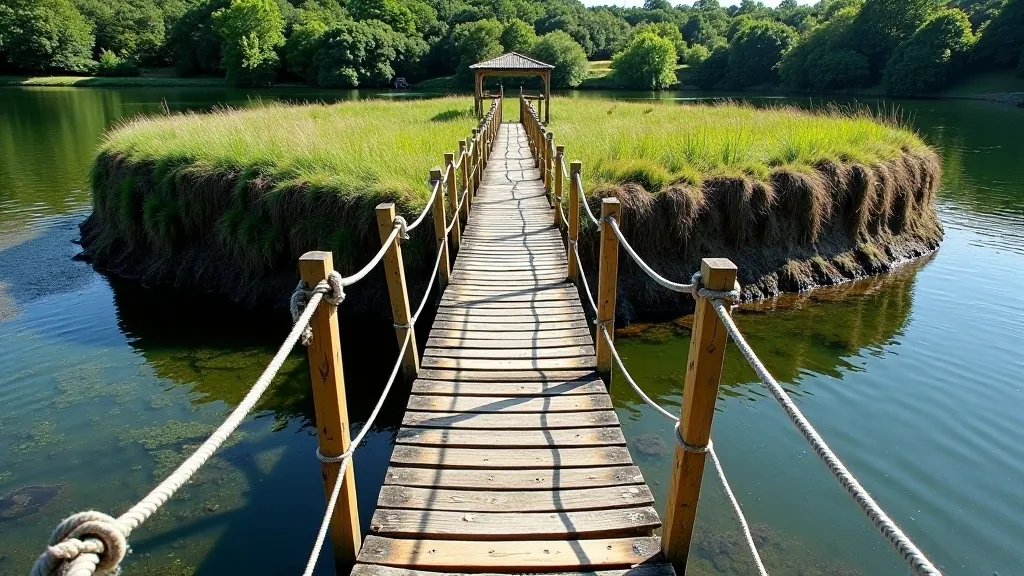
What sets Craggaunowen apart from other historical sites is how hands-on it is. You're not just reading plaques — you're actually walking inside reconstructed buildings. You're crossing a bridge to an island dwelling the way ancient people did. You're climbing tower stairs that medieval defenders climbed.
The crannogs feel particularly authentic. The reconstructions are based on actual archaeological evidence from crannog excavations across Ireland. When you're standing inside one, surrounded by smoke from the central fire, you're experiencing something genuinely close to how people lived 2,000 years ago. It's not comfortable — that's kind of the point. Crannogs were practical solutions to specific problems, not luxury homes.
And the castle adds another layer. Medieval tower houses were about power and control — they're vertical, defensible, designed to intimidate. Standing inside one, you understand the shift from Iron Age communal living to medieval feudal structures. One walk connects you to multiple chapters of Irish history.
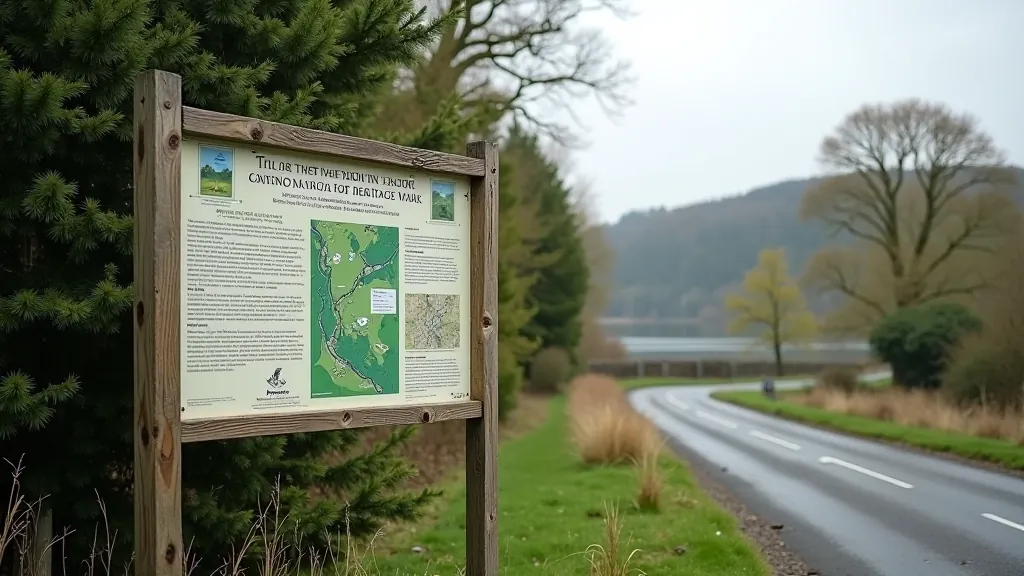
Craggaunowen works best when you're not rushed. Spend time inside the crannogs. Climb the castle stairs. Look at the views. Read the interpretation panels. This isn't a walk you do quickly — it's one you do to actually understand how Irish people lived across two very different historical periods.
Most visitors find it's worth the trip. The combination of ancient reconstruction and medieval architecture doesn't exist many other places in Ireland. You'll leave with a much clearer picture of what crannog life actually involved and how dramatically Irish society changed over the centuries. That's the real value of walking this route.